Download YouTube Thumbnail HD: The Resolution You Actually Get
Many download tools promise a 4K or 1080p thumbnail. We measured what the files actually contain: 12 videos, four names each, 40 successful downloads, every image's pixel size read out of its own file header (10 October 2026). The result is blunt. 4K never appeared — not once in 40 files. Neither did 1440p. The name that tools market as the maximum, maxresdefault.jpg, was 720p or lower in every single case (1278 × 720 or 1280 × 720). The only 1080p file in the whole run came from a different name, oar2.jpg, and only for 1 of the 12 videos. If "HD" to you means 1080p, that is reachable — but not by the route the marketing suggests.
Every dimension that came back
Across 40 successful responses the only widths that ever appeared were 320, 640, 1278, 1280 and 1920. The only heights were 240, 480, 720 and 1080. Nothing wider than 1920 and nothing taller than 1080 was served, at all.
| File name | Dimensions seen | What that is |
|---|---|---|
maxresdefault.jpg | 1278 × 720, 1280 × 720 | 720p, always — never 1080p, never 4K |
hq720.jpg | 1280 × 720 | 720p, always |
oar2.jpg | 320 × 240, 1280 × 720, 1920 × 1080 | Varies with the upload — the only 1080p found |
sddefault.jpg | 640 × 480 | 480p, always |
Read the first row twice. The name containing "maxres" — the one every list of file names presents as the highest quality — topped out at 1280 pixels wide. That is 720p. It was never the largest file on any of the 12 videos in the sense the name implies.
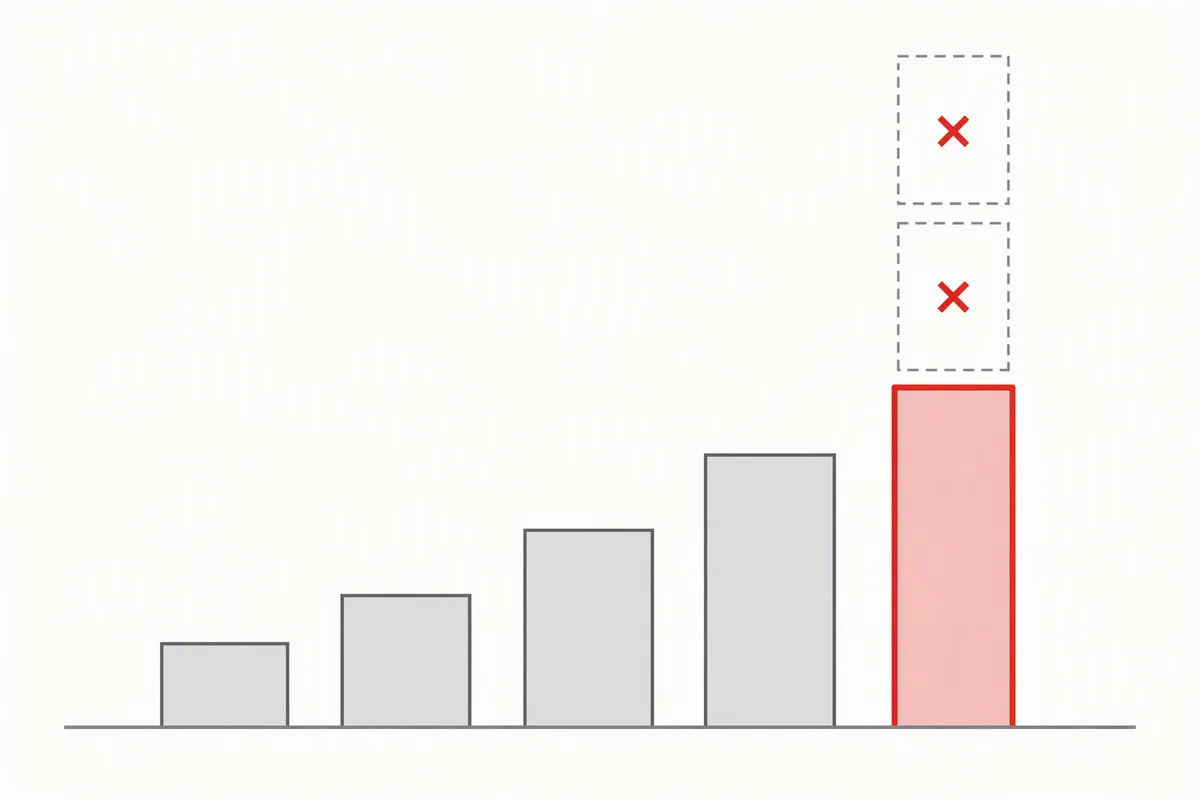
The 4K claim, against the files
Download pages commonly describe their output as "4K (MaxRes)" or say the tool returns "the maximum resolution image available, often 1080p or 4K". Here is what the same request returns when you look at the pixels rather than the label:
- 4K (3840 × 2160): 0 of 40 responses. Not one file was 3840 wide or wider.
- 1440p (2560 × 1440): 0 of 40 responses.
- 1080p (1920 × 1080): 1 of 40 responses — and it was
oar2.jpg, not the "max" name. - 720p or lower: the remaining 39 of 40.
So when a page says "4K", the file it hands you is, in our data, a 720p image with a name that sounds bigger. The resolution is a property of the picture inside the file, and the picture is 1280 × 720.
Why the "max" tier is not the biggest
A thumbnail is stored per rendition, and the renditions available depend on what the uploader provided — not on what the name asks for. When no larger source exists, the request for the "max" name is answered with the 720p file, and a request for a different name may be answered from a different rendition entirely. That is why oar2.jpg — a name most lists never mention — was the only thing that returned 1080p here, and why on one video it returned 1920 × 1080 while the "maximum" name returned 1280 × 720.
How to actually get the largest file
- Do not stop at the "max" name. Ask for
maxresdefault.jpg,hq720.jpgandoar2.jpg— the third is the one that produced the only 1080p in this run. - Compare what came back by pixel size and byte count, and keep the largest. Checking bytes is enough to rank them, and the verification page shows how to spot the 1,097-byte placeholder while you are at it.
- Expect 720p as the normal outcome. 39 of 40 successful downloads here were 720p or lower; a 720p file is the success case, not a failure.
- Do not pay for "4K". In this data that tier does not exist — see the availability page for how often the "max" name is missing altogether.
What "HD" means for what you can do with it
A 1280 × 720 file is fine for on-page use and reference, but it is not a print asset and it is not a 4K source. Whatever you do with it, the picture still belongs to the uploader: the terms are quoted with their section headings on the usage page. Nothing here stores, mirrors or re-uploads a thumbnail, and this is not legal advice.
Questions people actually ask
"Can I download a YouTube thumbnail in 4K?"
Not from the data we measured. Across 12 videos and 40 successful downloads, no file was 3840 wide or wider — 0 of 40. The largest was 1920 × 1080, and it came from oar2.jpg.
"Is maxresdefault.jpg the highest quality?"
By name, yes; by pixels in this run, it was always 1278 × 720 or 1280 × 720 — 720p, never higher. The label overstates it.
"How do I get 1080p?"
Ask for oar2.jpg as well, and keep whichever file comes back with more pixels or bytes. It was the only name that produced 1080p here, in 1 of 12 videos.
"Is a small HD file a broken download?"
No — about a kilobyte is the placeholder, but a few tens of kilobytes at 1280 × 720 is a normal, valid thumbnail. Check the pixel size, not just the byte count.
"Why do other sites say they offer 4K?"
We can only report what the files contained: in this run, nothing above 1080p, and nothing above 720p from the "max" name. If a page shows a 4K option, the picture returned is what matters, and here it was 1280 × 720.
All numbers on this page were measured on 10 October 2026 by requesting 48 URLs from img.youtube.com — 12 public videos × 4 file names — of which 40 returned 200 and were parsed. The pixel dimensions were read out of each returned file's own JPEG header, not from the URL and not from any documentation. Videos are identified by ID only; no titles, channels or watch links appear on this page, and none of the images are hosted here. Another sample of videos would move the counts, which is why the totals — 0 of 40 at 4K, 1 of 40 at 1080p — are stated with the sample size attached.